
Food
Snigdhasnack: The Complete Guide to Smart, Flavorful, and Balanced Snacking

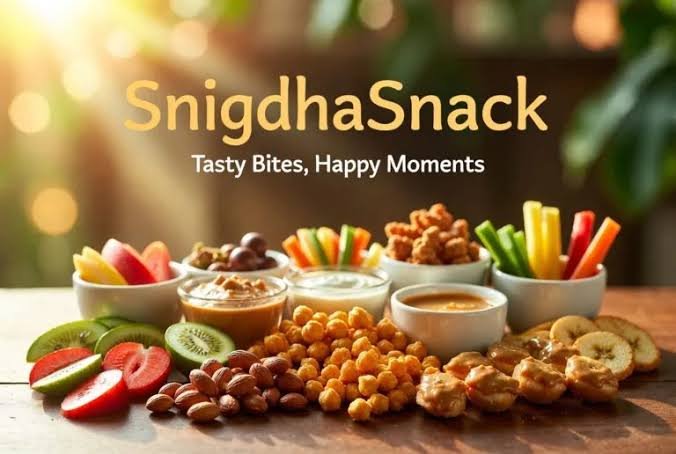
Snigdhasnack: Smart Snacking Made Simple
Snigdhasnack is a snack-focused keyword connected with easy, practical, and enjoyable eating ideas for modern readers.
It is useful for people searching for quick snack inspiration, balanced choices, flavor variety, and everyday food guidance.
This guide explains its meaning, snack ideas, content angles, benefits, and practical ways to build a better snacking routine.
The “Quick Bio” Feature Table
| Feature | Details |
|---|---|
| Main Keyword | Snigdhasnack |
| Topic Type | Snack ideas, food inspiration, eating habits, and quick bites |
| Best For | Busy readers, food bloggers, home snack lovers, students, office workers, and families |
| Content Style | Informative, simple, practical, and reader-friendly |
| Key Focus | Taste, convenience, balance, freshness, storage, and snack planning |
| Suggested Tone | Friendly, helpful, natural, and easy to understand |
Understanding the Idea Behind Snigdhasnack
Snigdhasnack may be understood as a modern snack concept built around taste, convenience, and simple food choices. The word has a brandable sound, which makes it suitable for food blogs, snack guides, recipe pages, review content, and social media food content. In a digital space where readers search for quick answers, short recipes, and easy food inspiration, a clear snack-focused term gives a website or page a strong identity.
The idea is not limited to one type of food. It may include homemade snacks, packaged options, light bites, tea-time favorites, lunchbox ideas, travel snacks, sweet treats, savory bites, and healthier alternatives. This flexibility makes the topic valuable for writers who want broad keyword coverage without forcing the same phrase into every sentence. A useful page should explain the topic naturally while giving readers practical information they are able to apply in daily life.
A snack is often chosen for a reason. Some people need quick energy during work. Some want something light between meals. Others look for comfort food, crunchy textures, spicy flavors, or sweet bites after dinner. A strong article around this topic should respect those different needs and guide readers toward better snack decisions.
Why Snigdhasnack Matters in Modern Food Content
Modern food content performs well when it solves a small daily problem. Snacks are part of study routines, office breaks, travel bags, movie nights, school lunches, fitness plans, and family gatherings. Because of this, readers usually prefer content that is clear, fast to scan, and filled with practical examples. A snack guide should not only list foods; it should explain when each option fits best.
Convenience is one of the biggest reasons snack content attracts attention. Many people do not want complicated recipes when hunger appears between meals. They want items that are quick to prepare, easy to store, and enjoyable to eat. A topic like Snigdhasnack fits this search intent because it creates room for recipe ideas, buying guides, flavor comparisons, nutrition notes, and simple serving suggestions.
Balance is another important part of the discussion. A satisfying snack is not only about taste. Texture, portion size, freshness, ingredients, and timing also matter. A crunchy snack may feel more satisfying during a break, while a protein-rich bite may suit a long workday. Fruit, yogurt, nuts, roasted chickpeas, whole-grain crackers, boiled eggs, and homemade trail mix are examples of snacks that bring variety without making the routine boring.
Core Qualities of a Better Snack Routine
A better snack routine begins with intention. Random snacking often leads to oversized portions or choices that do not match the body’s actual needs. Planned snacking, on the other hand, keeps food ready before hunger becomes too strong. This is useful for students, remote workers, office teams, parents, and anyone with a busy schedule.
The first quality is freshness. Fresh snacks usually taste better and feel more enjoyable. Washed fruit, sliced vegetables, homemade dips, fresh popcorn, and roasted snacks are simple options for everyday use. Freshness also depends on storage, so airtight jars, reusable containers, cool storage, and clean preparation areas matter.
The second quality is balance. A good snack often includes more than one food group. For example, apple slices with peanut butter, yogurt with seeds, crackers with cheese, or hummus with vegetables provide a more complete bite than a plain sugary item. A balanced snack is also more likely to keep hunger steady until the next meal.
The third quality is flavor. Healthy eating does not need to feel plain. Spices, herbs, roasted seasoning, lemon, pepper, cinnamon, cocoa, sesame, and chili flakes add character to simple ingredients. Flavor variety is the reason a snack routine stays enjoyable over time.
Popular Snack Categories Connected With Snigdhasnack
There are several categories that fit naturally under this topic. Sweet snacks are popular because they satisfy dessert-style cravings in small portions. Fruit bowls, date bites, yogurt parfaits, dark chocolate with nuts, homemade energy balls, and banana oat cookies are examples of sweet options that feel enjoyable without becoming overly complicated.
Savory snacks are equally important. Roasted nuts, spiced chickpeas, baked chips, popcorn, cheese crackers, mini sandwiches, vegetable sticks with dip, and savory muffins fit tea-time, school, office, and travel settings. Savory choices often perform well in food blogs because readers search for quick ideas that match local taste preferences.
High-protein snacks are useful for people who want a filling option. Eggs, Greek yogurt, cottage cheese, tuna crackers, lentil patties, chicken bites, tofu cubes, and nut mixes are practical examples. These snacks are often selected by readers who want something more satisfying than candy or chips.
Kid-friendly snacks form another strong content angle. Parents usually look for food that is simple, safe, colorful, and easy to pack. Mini fruit skewers, cheese cubes, soft sandwiches, baked potato bites, yogurt cups, and homemade oat bars work well because they are simple to portion. A child-friendly snack should look inviting and should be easy to hold.
A Simple Way to Plan Snacks for the Week
Weekly snack planning does not need a complicated system. A basic plan starts with three categories: fresh, crunchy, and filling. Fresh options may include fruit, cucumbers, carrots, or yogurt. Crunchy options may include popcorn, roasted chickpeas, nuts, granola, or whole-grain crackers. Filling options may include eggs, hummus, cheese, chicken pieces, or lentil patties.
After choosing the categories, portions should be prepared in advance. Small containers reduce waste and keep serving sizes realistic. This method is especially useful for families, students, and people who carry lunch to work. When snacks are already washed, cut, packed, or portioned, better choices become easier during a busy day.
Storage also plays a major role. Dry snacks should be kept in sealed jars away from moisture. Fresh snacks should be stored in the refrigerator when needed. Crispy items should be cooled fully before storage so texture is not lost. Labels with preparation dates are useful for homemade snacks because they make freshness easier to track.
A weekly snack routine should still leave space for enjoyment. Food is not only fuel; it is also comfort, culture, memory, and pleasure. A practical routine respects both nutrition and taste. This is why a good Snigdhasnack plan should include everyday options as well as occasional treats.
Flavor Trends and Reader Interest
Snack preferences keep changing because people discover new flavors through social media, grocery shelves, short videos, and food blogs. Crunchy textures, spicy seasoning, global flavors, functional ingredients, and limited-time flavors are often seen in modern snack conversations. Readers enjoy ideas that feel fresh but still remain simple enough to try at home.
Texture is especially important. A snack with crunch, creaminess, chewiness, or contrast often feels more satisfying. Examples include yogurt with granola, popcorn with seasoning, crackers with dip, and fruit with nuts. Texture contrast is also useful for food photography because it makes a recipe look more appealing.
Global flavor inspiration is another strong angle. Ube, matcha, chili-lime, za’atar, peri-peri, masala, sesame, garlic, honey mustard, and pickle-style flavors are examples that bring variety to snack content. These flavors should be introduced naturally, with simple pairing ideas and clear preparation steps.
How to Create Content Around Snigdhasnack
Writers and website owners may build strong content by focusing on reader intent. A person searching this keyword may want a definition, snack ideas, recipe inspiration, food trends, or a brand-style explanation. A good article should cover all of these areas without becoming repetitive.
The best content structure begins with a clear introduction, followed by a table, practical categories, examples, planning tips, storage advice, and FAQs. Short paragraphs make the article easier to read on mobile screens. Subheadings should guide the reader through the page without sounding robotic.
Images also improve snack content. A clear photo of a snack bowl, a lunchbox, a tray of homemade bites, or a table with ingredients may increase engagement. Alt text should describe the image naturally, such as “homemade savory snack bowl with roasted chickpeas and fresh vegetables.” This keeps the page useful for readers and search engines.
Internal links may be added to related pages such as healthy lunch ideas, tea-time snacks, homemade chips, kids’ lunchbox recipes, or quick breakfast ideas. External references may be added when nutrition or health claims are discussed. This creates a more trustworthy article and improves the reading experience.
Common Mistakes to Avoid
The first mistake is overusing the main keyword. Search engines and readers both prefer natural language. Repeating the exact phrase too many times makes the article feel forced. Related terms such as snack ideas, quick bites, healthy snacks, savory snacks, sweet treats, and lunchbox snacks create smoother coverage.
The second mistake is making broad claims without useful detail. A phrase like “best snack” means little unless the article explains why a snack is useful, when it suits the reader, and how it should be prepared or stored. Specific examples make the content stronger.
The third mistake is ignoring local taste. Snack choices often depend on culture, budget, climate, routine, and availability. A useful page should include flexible examples so readers from different regions still find something relevant.
The fourth mistake is treating every snack as healthy only because it sounds natural. Portion size, ingredients, sugar, salt, and overall eating habits matter. A balanced guide should avoid extreme promises and should present snack choices in a realistic way.
Conclusion
Snigdhasnack is a strong snack-focused keyword for building informative, practical, and reader-friendly content. It gives writers room to cover quick bites, balanced snack planning, flavor ideas, storage tips, and everyday food routines. A good snack guide should be clear, useful, and enjoyable rather than stuffed with repeated keywords.
The best approach is simple: explain the topic, organize snack ideas into helpful categories, add realistic examples, and guide readers toward better daily choices. When taste, freshness, convenience, and balance are combined, snack content becomes more valuable for both readers and search engines. With the right structure, Snigdhasnack becomes more than a keyword; it becomes a complete content theme for modern snacking.
FAQs
What is Snigdhasnack?
Snigdhasnack is a snack-focused term that may be used for content about quick bites, snack ideas, food inspiration, and balanced eating routines.
Is Snigdhasnack related to healthy snacks?
It may be used for healthy snack content, but it is not limited to only health-focused food. Sweet, savory, homemade, packaged, and kid-friendly ideas also fit the topic.
How should Snigdhasnack content be written?
The content should be clear, practical, and natural. It should include snack categories, examples, preparation tips, storage advice, and simple guidance for everyday readers.
Why is snack planning important?
Snack planning keeps better options ready before hunger becomes urgent. It also supports portion control, freshness, variety, and smoother daily routines.
Which snack ideas fit this topic best?
Fruit bowls, roasted chickpeas, yogurt cups, popcorn, nuts, hummus with vegetables, boiled eggs, oat bars, sandwiches, and homemade energy bites fit this topic well.



Facing an HMRC Tax Investigation? Here’s What to Do

Eurogamersonline.com console gaming: A Complete 2026 Guide for Modern Gamers

Eurogamersonline.com: A Complete Guide to Its Gaming Content in 2026

Snigdhasnack: The Complete Guide to Smart, Flavorful, and Balanced Snacking

Zingyzon Com in USA: Features, Uses, Safety, and User Guide

What Is Tracqueur? The Complete Guide to Smart Tracking
-
 Tech3 months ago
Zingyzon Com in USA: Features, Uses, Safety, and User Guide
-
 Tech3 months ago
What Is Tracqueur? The Complete Guide to Smart Tracking
-
 Food3 months ago
I Want to Do Advanced Topical SEO Around One Main Keyword: Best Cocido Gallego Near Me
-
 Health3 months ago
Best Locro de Zapallo Near Me: How to Find the Most Authentic Bowl and What to Expect
-
 Blog3 months ago
Fascisterne: Meaning, History, Symbols, and Modern Use
-
 Blog3 months ago
Best Wireless Earbuds Under $200 in 2024: Top Picks for Sound, ANC, Battery, and Fit
-
 Gaming3 months ago
Connector HSSGamepad: A Clear Guide to Setup, Modes, and Compatibility
-

 Tech3 months ago
Do the Driving Modes in Cadillac Lyriq Offer Different Ranges or Battery Usages? Complete Guide to EV Efficiency