
Blog
Fascisterne: Meaning, History, Symbols, and Modern Use



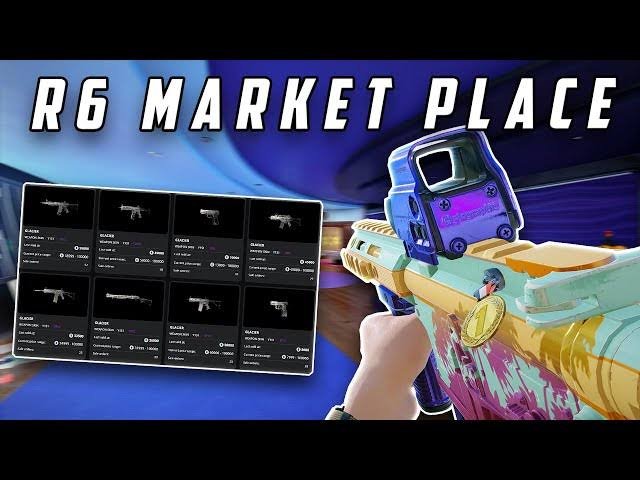
The R6 Marketplace changed how Rainbow Six Siege players viewed unwanted cosmetics, rare skins, and older collectibles.
Instead of leaving unused items in an inventory, eligible users could list them for R6 Credits or order cosmetics they had missed.
However, its status is different in 2026, so players need accurate information before attempting to trade.
Quick Bio
| Feature | Details |
|---|---|
| Official name | Rainbow Six Siege Marketplace |
| Developer and operator | Ubisoft |
| Main purpose | Buying and selling eligible Rainbow Six Siege cosmetics |
| Trading currency | R6 Credits |
| Common item types | Weapon skins, headgear, uniforms, charms, attachment skins, and other eligible cosmetics |
| Original access conditions | Clearance Level 25 and Two-Factor Authentication |
| Seller fee | 10% of the completed sale amount |
| Current status | Closed while Ubisoft rebuilds security and economic systems |
| Latest official update | June 30, 2026 |
| Return date | No confirmed reopening date |
What Is the R6 Marketplace?
The R6 Marketplace is Ubisoft’s official player-to-player trading system for eligible Rainbow Six Siege cosmetics. It allowed players to exchange selected inventory items for R6 Credits and spend those credits on cosmetics offered by other users.
It did not operate like a direct auction where buyers contacted sellers. The platform automatically matched compatible buy and sell orders. Ubisoft described it as a place to exchange unwanted items or find weapon skins from previous seasons. collectors, the system offered a way to search for missed seasonal skins, uniforms, charms, event cosmetics, and other eligible items. Long-term players could also receive credits for tradable content they no longer used.
Is the R6 Marketplace Open in 2026?
As of July 7, 2026, the Marketplace is closed. Ubisoft confirmed on June 30, 2026, that it will remain unavailable while the company works on a safer and more sustainable replacement. No reopening date was announced.
This matters because many older guides still present the platform as active. Those pages may explain its previous features, but players cannot currently use them to complete new transactions.
Ubisoft described the closure as more than routine maintenance. Reopening requires work on account protection, transaction monitoring, pricing behaviour, item circulation, and the wider in-game economy. Players should therefore be cautious of any third-party website claiming to provide active official trading.
Why Did Ubisoft Close the Marketplace?
Ubisoft reported problems involving account theft, bot activity, unauthorized credit transfers, price instability, distorted item circulation, and transactions connected to malicious behaviour.
These issues can damage both security and pricing. A stolen account may contain rare skins or a large credit balance, while automated accounts can place orders faster than normal users. Manipulated transactions can also make item prices less reflective of genuine supply and demand.
Ubisoft says it wants stronger monitoring, better account safeguards, and a trading model that fits within a balanced economy before the feature returns.
How R6 Marketplace Trading Worked
Before the closure, the platform used an order-matching system. Buyers entered the highest amount they were willing to pay, while sellers entered an asking price. A trade completed when the system found compatible orders.
Buying Cosmetic Items
A buyer opened the Buy section, searched for a tradable cosmetic, selected it, and entered a maximum price. The system then looked for the lowest matching sale.
The maximum bid was not necessarily the final amount paid. Ubisoft explained that the system searched for the lowest price compatible with the order. Current-season items were generally unavailable until a later season. example, a player could create a purchase order offering up to 700 R6 Credits for a weapon skin. If a matching seller listed it for 600 credits, the system could complete the order at the lower available price.
Selling Eligible Inventory Items
The Sell section displayed inventory cosmetics that Ubisoft had marked as tradable. If an owned item did not appear, it could not be listed at that time.
A seller selected an item, entered an asking price, and created an order. The listing remained active until it matched, expired, or was cancelled. Ubisoft retained a 10% transaction fee from completed sales. lers therefore needed to consider the fee before choosing a price. Listing an item for a certain amount did not mean the full amount would be added to the account after the transaction.
Managing Orders and History
The My Transactions area showed active purchase orders, sale orders, and previous activity. Users could adjust the price or cancel an unmatched order. Expired orders remained in the history and could be reposted. s automatic structure reduced the need for direct contact, external payments, private messages, or manual item transfers between players.
What Items Could Be Bought and Sold?
The catalogue focused on cosmetic content rather than gameplay advantages. Depending on Ubisoft’s eligibility rules, listings could include:
- Weapon skins
- Operator uniforms
- Headgear
- Charms
- Attachment skins
- Operator card backgrounds
- Portraits and related customization items
Not every owned cosmetic was tradable. Availability depended on the item’s source, age, release period, and Ubisoft’s catalogue rules. Current-season, promotional, newly released, account-bound, or otherwise restricted items could remain unavailable.
An item could therefore be rare without having an active Marketplace listing or resale price. Players could only list cosmetics shown in the official Sell section of their accounts.
Eligibility and Account Requirements
Before the shutdown, Ubisoft required players to reach at least Clearance Level 25 and enable Two-Factor Authentication to access trading. level condition created a basic participation threshold, while Two-Factor Authentication helped protect accounts containing premium currency and valuable cosmetics.
Players also needed an eligible Ubisoft account in good standing. Restrictions, security concerns, or account sanctions could prevent access to certain online services.
A rebuilt system may keep, strengthen, or replace these requirements. Players should check Ubisoft’s official rules at the time of reopening rather than assuming the previous conditions will remain unchanged.
How Marketplace Pricing Worked
Prices were determined by player orders rather than a permanently fixed value for every item. When demand increased and supply remained limited, sellers could ask for more credits. When many owners listed the same item, prices could fall.
Several factors could affect the value of a cosmetic:
- Item rarity and availability
- Operator popularity
- Weapon usage rates
- Visual design
- Collection history
- Previous event availability
- Possibility of a future re-release
- Number of active buyers and sellers
Rarity was only one factor. A visually appealing skin for a widely used weapon could attract stronger demand than a technically rarer cosmetic for an unpopular operator.
Sellers also had to account for the fee. A completed sale of 1,000 R6 Credits produced 900 credits after the 10% deduction.
R6 Credits and Renown Are Different
Trading used R6 Credits, Rainbow Six Siege’s premium in-game currency. Ubisoft says these credits can be purchased through the in-game shop or Ubisoft Store and used for operators, equipment, weapons, the Battle Pass, and cosmetics. own is earned through gameplay and was not used for player-to-player Marketplace orders.
This distinction was important because selling cosmetics did not provide real money or Renown. Successful sellers received R6 Credits that remained connected to the Rainbow Six Siege ecosystem.
Ubisoft’s June 30, 2026 economy update also announced wider changes beginning in Season 3. New event packs are expected to move to R6 Credits only, while older collections may return with dual-currency options. Event Masterpieces are also planned to become directly purchasable with R6 Credits and include event packs.
These plans show that the future trading system is linked to the broader Siege economy.
Benefits of an Official Trading System
An official exchange helps collectors find missed cosmetics and gives experienced players a purpose for unused inventory. It also creates a visible market shaped by player demand.
It can be safer than informal trading because users remain inside Ubisoft’s system. Automatic matching removes the need to share passwords, send money to strangers, or trust an unknown person to deliver an item.
The platform also gives players more control over their collections. Someone may prefer one older weapon skin over several unused uniforms, while another player may sell collectibles to obtain newer content.
For long-term players, trading can make older inventory feel relevant again. Cosmetics collected over several seasons may gain renewed interest when new players enter the game or when particular operators become more popular.
Security Risks and Scams
Digital marketplaces attract scams whenever cosmetics or currency have perceived value. When trading returns, users should access it only through Ubisoft’s official website.
Never share a password, Two-Factor Authentication code, recovery code, or email access. Unofficial “verification” pages can copy the appearance of a legitimate login screen while stealing credentials.
Players should also avoid:
- Real-money trading arrangements
- Ubisoft account sales
- Private credit-transfer schemes
- Automated trading tools
- Browser extensions promising lower prices
- Offers requiring security settings to be disabled
- Messages promising free R6 Credits
- Websites requesting account recovery details
Ubisoft specifically identified theft, botting, and credit transfers among the previous system’s problems.
An offer that appears significantly better than normal Marketplace pricing should be treated carefully. Scammers frequently rely on urgency, rare-item promises, or fake screenshots to pressure players into sharing information.
How to Prepare for a Possible Return
Secure the Ubisoft account with a unique password and Two-Factor Authentication. Review linked platforms, remove unrecognized access, and keep recovery information private.
Players can also review their cosmetic inventories to identify items they use regularly and those they might consider selling. However, an estimated price should not be treated as guaranteed future value.
Avoid buying R6 Credits solely because of speculation. Ubisoft has not announced a return date, and the fees, item eligibility rules, limits, or pricing model could change.
When trading becomes available, start carefully. Review available price information, calculate the seller fee, confirm the exact cosmetic, and avoid rushed purchases caused by temporary price movements.
Keeping screenshots or records of completed transactions may also help when reviewing account activity or contacting official support about a genuine issue.
What the Future May Look Like
Ubisoft has not said that the rebuilt system will be identical to the earlier version. Its June 2026 statement emphasized stronger protection, improved monitoring, economic balance, and long-term sustainability.
A future platform could include tighter verification, transaction limits, stronger fraud detection, revised item-release windows, or new controls on credit movement. These are reasonable possibilities based on Ubisoft’s concerns, but they are not confirmed features.
The company may also change how quickly new cosmetics become tradable or how suspicious transactions are reviewed. Additional protections could make the system slower in some situations but safer for ordinary users.
Players should follow official Rainbow Six Siege news and treat community rumours as unverified until Ubisoft publishes specific details.
Conclusion
The R6 Marketplace allowed Rainbow Six Siege players to exchange eligible cosmetics through automated buy and sell orders using R6 Credits. Its order matching, inventory listings, transaction history, and account requirements made cosmetic trading more accessible than informal exchanges.
It gave collectors another way to obtain missed items while helping experienced players turn unused cosmetics into credits. However, its popularity also introduced problems involving account theft, bots, manipulated transactions, credit transfers, and unstable prices.
In 2026, the essential fact is that the platform remains closed. Ubisoft is rebuilding its foundations after identifying security threats, malicious transactions, pricing instability, and economic problems.
Until a return date and revised rules are announced, players should protect their accounts, avoid third-party trading services, and rely on official Ubisoft updates.
Frequently Asked Questions
1. Is the R6 Marketplace available now?
No. As of July 7, 2026, Ubisoft says the Marketplace remains closed while it works on security improvements and economic changes. No reopening date has been confirmed.
2. What currency did the Marketplace use?
Transactions used R6 Credits. Renown was not accepted for player-to-player buy and sell orders. R6 Credits received from sales remained inside the Rainbow Six Siege ecosystem.
3. What were the previous access requirements?
Players needed to reach Clearance Level 25 and enable Two-Factor Authentication. These conditions may change if Ubisoft launches a rebuilt version. 4. Did Ubisoft charge a selling fee?
Yes. Ubisoft retained a 10% transaction fee from completed sales. For example, selling an item for 500 R6 Credits would leave the seller with 450 credits. 5. Why couldn’t every cosmetic be traded?
Only items marked as eligible appeared in the Sell section. Current-season, promotional, account-bound, newly released, or restricted cosmetics could remain unavailable even when already owned.
This version is approximately 1,800 words, with the exact target phrase used naturally and below the requested keyword-density limit.
Also Read… linipoc.com

Quick Bio
| Feature | Details |
| Core Definition | A premium artisan fabric lineage characterized by rich texture, structural integrity, and distinct organic drape profiles. |
| Origin | Emerged from regional European weaving mills blending classic Mediterranean traditions with durable mid-century industrial textiles. |
| Primary Use | High-end structural fashion tailoring, customized interior drapery, and tactile mixed-media canvas backgrounds. |
| Industry | Luxury Textile Production, Haute Couture Fashion, and Sustainable Interior Architecture. |
| Common Materials | Organic flax linen blends, brushed wool warp fibers, and long-staple Egyptian cotton thread matrixes. |
| Popular Applications | Architectural accent panels, structured seasonal outerwear, bespoke exhibition wall-coverings, and artisan furniture upholstery. |
The Historical Narrative of Emma Corrica Craftsmanship
The structural tradition behind Emma Corrica textiles traces back to boutique European regional workshops experimenting with hybrid fiber densities. Originally developed as a resilient solution for coastal estates requiring climate-adaptive fabrics, the material balanced breathability with environmental shielding. Master weavers utilized hand-operated looms to integrate varying yarn thicknesses, establishing a signature dimensional relief. This unique tactile signature instantly distinguished the product from standard flat-woven fabrics of the era. Over decades, archiving these specific weaving sequences preserved the authentic production methodology across generational changes.
Understanding Material Composition and Core Fiber Dynamics
At the molecular scale, Emma Corrica owes its notable tensile strength to a meticulous raw material matrix. The foundation typically relies on high-grade flax linen fibers interlaced with a reinforced core. This combination yields a finished product resistant to structural sagging, a common issue with basic synthetic materials.
The Role of Natural Cotton Warp Threads
Long-staple cotton fibers form the vertical backbone of the weave, providing essential softness and color-fastness. By absorbing organic pigments deeply, the yarn retains profound chromatic shades without fading from sun exposure.
Integrating Resilient Flax and Protein Matrices
Adding premium flax introduces micro-slubs—small, intentional irregularities in fiber diameter. These natural variations produce the multi-tonal texture that makes every yard of material distinct.
Primary Architectural and Interior Design Use Cases
Modern spaces frequently utilize Emma Corrica to soften minimalist architectural hard lines. Interior designers specify the textile for sprawling floor-to-ceiling drapery due to its elegant natural drop profile. The fabric stacks cleanly when drawn, preventing messy, bulky visual crowding at window edges. Beyond window treatments, its acoustic absorption properties make it an effective tool for dampening sound echo in open-concept residential lofts and commercial galleries.
Haute Couture: Transforming Modern Fashion Silhouettes
Within high-end fashion design, Emma Corrica remains an industry standard for structural tailoring. Designers appreciate how the medium handles intense folding, sharp pleating, and architectural draping without collapsing.
[Fabric Type]         ---> [Structural Performance] ---> [Design Output]
Emma Corrica Linen    ---> High Rigidity + Drape    ---> Tailored Blazer
Standard Pure Linen   ---> Low Rigidity + High Sag  ---> Casual Shirt
Unlike flimsy alternatives, it holds its shape through clean shoulder lines and dramatic asymmetric lapels, making it a reliable staple for seasonal luxury collections.
Regional Design Connections and Cultural Variations
The design evolution of Emma Corrica mirrors the artistic heritage of its native production zones. Mediterranean variations incorporate lighter, airy color palettes dominated by bleached sands, soft ochres, and deep sea blues. Conversely, Nordic adaptions favor dense, heavily brushed wool blends featuring muted charcoal and stone tones. These geographic distinctions allow the textile lineage to integrate seamlessly into diverse design regional aesthetics globally.
Commercial Sourcing: Identifying Genuine Production Quality
Due to growing market demand, locating authentic Emma Corrica material requires evaluating specific physical indicators. True premium versions feature a dense, balanced weight-to-thickness ratio that cheap imitations cannot replicate.
-
Verifiable Salvage Marks: Look for woven identification bands running along the fabric edge.
-
Irregular Slub Distribution: True artisan weaves display natural, non-repeating thread thick-and-thin patterns.
-
Tactile Rebound Rate: The material should spring back cleanly after being tightly compressed in hand.
Sustainable Production Practices in Modern Textile Mills
Environmental responsibility shapes the contemporary Emma Corrica manufacturing pipeline. Modern mills minimize ecological impacts by implementing closed-loop water filtration systems during the deep dyeing stages. Furthermore, prioritizing raw flax crops reduces chemical pesticide reliance, since flax grows robustly with minimal agricultural intervention compared to intensive commercial cotton fields.
Caring for Premium Finishes: Maintenance and Longevity
Preserving the surface characteristics of Emma Corrica textiles requires disciplined maintenance protocols. Standard high-heat agitation washing cycles break down the organic fiber bonds, causing premature surface pilling. Instead, textile conservation specialists recommend gentle dry-cleaning or low-temperature steaming methods. Storing items in breathable cotton garment bags prevents atmospheric humidity from relaxing the natural structural crispness of the fibers.
The Creative Role of Mixed-Media Fine Art Backdrops
Fine artists increasingly select Emma Corrica as a structural base canvas for expansive abstract art installations. The deep texture creates a rich background canvas that interacts dynamically with changing gallery lighting systems. Heavy acrylic paint layers and textured gesso adhere firmly to the woven ridges, allowing artists to build deep layers without worrying about canvas canvas warping over time.
Future Trends: Smart Textiles and Technological Integration
The upcoming phase of Emma Corrica development focuses on fusing classic weaving heritage with advanced material science. Research labs are currently testing conductive thread tracking directly within the fiber matrix. This innovation will pave the way for temperature-regulating curtains and interactive wall panels that respond to indoor atmospheric shifts, successfully bridging historic artisan skill with future living standards.
Conclusion
Embracing the rich texture and structural legacy of Emma Corrica allows creators across fashion, interior design, and fine arts to elevate their projects. By prioritizing authentic sourcing and sustainable production, you invest in a versatile material that beautifully balances heritage craftsmanship with modern utility.
Frequently Asked Questions
What differentiates authentic Emma Corrica from basic commercial textiles?
Authentic versions feature a distinct structural matrix balancing heavy organic slub texture with flexible drape performance. Mass-produced alternatives generally rely on chemical coatings to simulate this stiffness, which washes out quickly and leaves behind a thin, flimsy base fabric.
Can this material be utilized for outdoor architectural applications?
While highly durable, untreated variants perform best within controlled interior spaces or sheltered structural zones. Extended exposure to intense downpours can relax the tight tension of the weave, although specialized marine-grade coatings can be applied to improve outdoor UV resistance.
How does the fabric behave when subjected to high-humidity environments?
Because it utilizes premium flax and natural cotton elements, the fabric breathes exceptionally well. It naturally absorbs and releases environmental moisture without cultivating mold, provided the space maintains adequate airflow.
Is Emma Corrica suitable for high-traffic commercial upholstery projects?
Yes. The multi-ply thread twisting method yields excellent abrasion resistance ratings on standard rub tests. It handles everyday wear well, making it a stellar option for boutique hospitality lounges and executive office furniture.
Where can independent designers source verified sample runs?
Verified sample runs are available through certified European textile distributors and accredited design houses. Always confirm authenticity by checking for the proprietary edge salvage stamp on the bolt before purchasing production yards.

A mietmakler is a rental agent or broker specialized in the rental property market. In German, “Miet” means rent and “Makler” means agent or broker. Their core responsibility is to connect landlords with potential tenants, help with finding suitable properties, and facilitate the entire rental process.
Mietmakler vs. Immobilienmakler
While all mietmaklers are property agents, not all property agents (immobilienmakler) focus on rentals. Mietmakler is a specific term for those concentrating solely on rentals, unlike those dealing with property purchases or sales.
Key Responsibilities of a Mietmakler
Guiding Tenants and Landlords
One of the main services provided by mietmakler is guiding both parties through the complicated world of rental contracts, property viewing schedules, and negotiations. For tenants, this means help with:
- Searching for the right property
- Arranging and attending viewings
- Navigating lease agreements
- Acting as a mediator in case of questions or disputes
Landlords also benefit through:
- Marketing their property to a wider audience
- Pre-screening and vetting potential tenants
- Managing communication and paperwork
Expertise in the Rental Market
A skilled mietmakler knows local rental prices, property trends, and legal requirements. They can advise landlords about setting a competitive rent or help tenants avoid common pitfalls such as unfair terms or hidden fees.
Legal Framework Governing Mietmakler
What Laws Apply to Mietmakler?
In Germany, mietmaklers must comply with strict rules defined by the German Civil Code (Bürgerliches Gesetzbuch, BGB) and other real estate regulations. Key points include:
- Licensing requirements: Mietmaklers need special permits to legally offer their services
- Commission regulation: Since the 2015 “Bestellerprinzip” law, the party who hires the mietmakler (usually the landlord) pays the agent’s commission
- Consumer protections: Agents must provide clear contracts and uphold transparency throughout the process
The Bestellerprinzip Principle
The “Bestellerprinzip” (“who orders pays” principle) was introduced to prevent tenants from being unfairly charged high commission fees. Now, only those who actually hire the mietmakler—usually property owners—are obligated to pay for their services.
How Mietmakler Services Work
The Typical Mietmakler Process
Let’s break down what working with a mietmakler typically looks like:
- Initial Contact: Landlords or tenants reach out to a mietmakler for assistance
- Property Assessment: Mietmakler evaluates the property or the client’s needs
- Property Listing and Marketing: Rental listings are posted, leveraging the agent’s network
- Viewings and Inspections: Scheduling and organizing property tours
- Negotiation and Paperwork: Helping parties come to terms and preparing contracts
- Handover: Facilitating the transfer of keys and moving-in/moving-out protocol
Commission and Fees
Generally, the fee for a mietmakler’s service is two net base rents plus VAT, but the exact structure might vary, especially in different regions. This commission is only charged when a successful lease is signed.
Pros and Cons of Using a Mietmakler
Benefits for Tenants and Landlords
- Expertise: Professional knowledge of local market
- Time-saving: The mietmakler handles most of the legwork
- Reduced Stress: Streamlined process with clear communication
What to Watch Out For
- Cost: Commissions can add up (though new laws have eased the burden for tenants)
- Quality Varies: Not all agents offer the same level of service—choose wisely
Mietmakler’s Role in Today’s Housing Market
With the real estate market becoming more complex, mietmaklers remain indispensable for many. They provide access to hidden listings, keep transactions transparent, and act as a neutral party to help close deals smoothly.
Tips for Choosing a Good Mietmakler
- Check licensing: Ensure your agent is properly registered
- Read reviews: Look for experience and positive client feedback
- Ask about fees: Be sure you’re clear about costs from the beginning
Conclusion
So, what does mietmakler mean in practice? They are crucial facilitators in Germany’s rental market, serving tenants and landlords alike. If you’re hunting for a rental or looking to let your property, a reputable mietmakler could save you time, provide peace of mind, and help you navigate every step of the process smoothly.


Facing an HMRC Tax Investigation? Here’s What to Do

Eurogamersonline.com console gaming: A Complete 2026 Guide for Modern Gamers

Eurogamersonline.com: A Complete Guide to Its Gaming Content in 2026

Snigdhasnack: The Complete Guide to Smart, Flavorful, and Balanced Snacking

What Is Tracqueur? The Complete Guide to Smart Tracking

I Want to Do Advanced Topical SEO Around One Main Keyword: Best Cocido Gallego Near Me
-
 Food3 months ago
Snigdhasnack: The Complete Guide to Smart, Flavorful, and Balanced Snacking
-
 Tech3 months ago
What Is Tracqueur? The Complete Guide to Smart Tracking
-
 Food3 months ago
I Want to Do Advanced Topical SEO Around One Main Keyword: Best Cocido Gallego Near Me
-

 Tech3 months ago
Zingyzon Com in USA: Features, Uses, Safety, and User Guide
-

 Health3 months ago
Best Locro de Zapallo Near Me: How to Find the Most Authentic Bowl and What to Expect
-

 Blog3 months ago
Best Wireless Earbuds Under $200 in 2024: Top Picks for Sound, ANC, Battery, and Fit
-

 Gaming3 months ago
Connector HSSGamepad: A Clear Guide to Setup, Modes, and Compatibility
-

 Tech3 months ago
Do the Driving Modes in Cadillac Lyriq Offer Different Ranges or Battery Usages? Complete Guide to EV Efficiency